€124.00*
% €144.95* (14.45% saved)
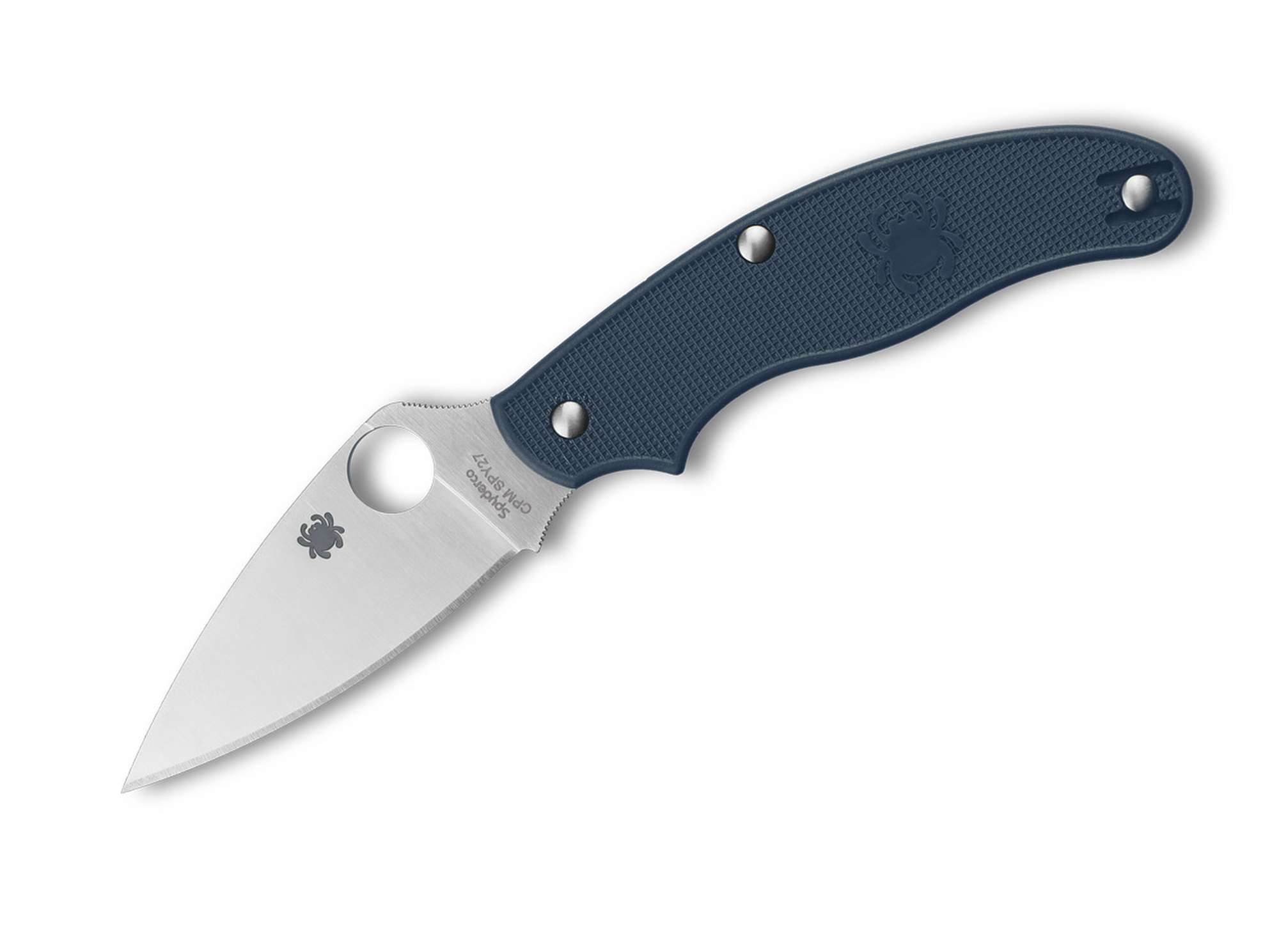
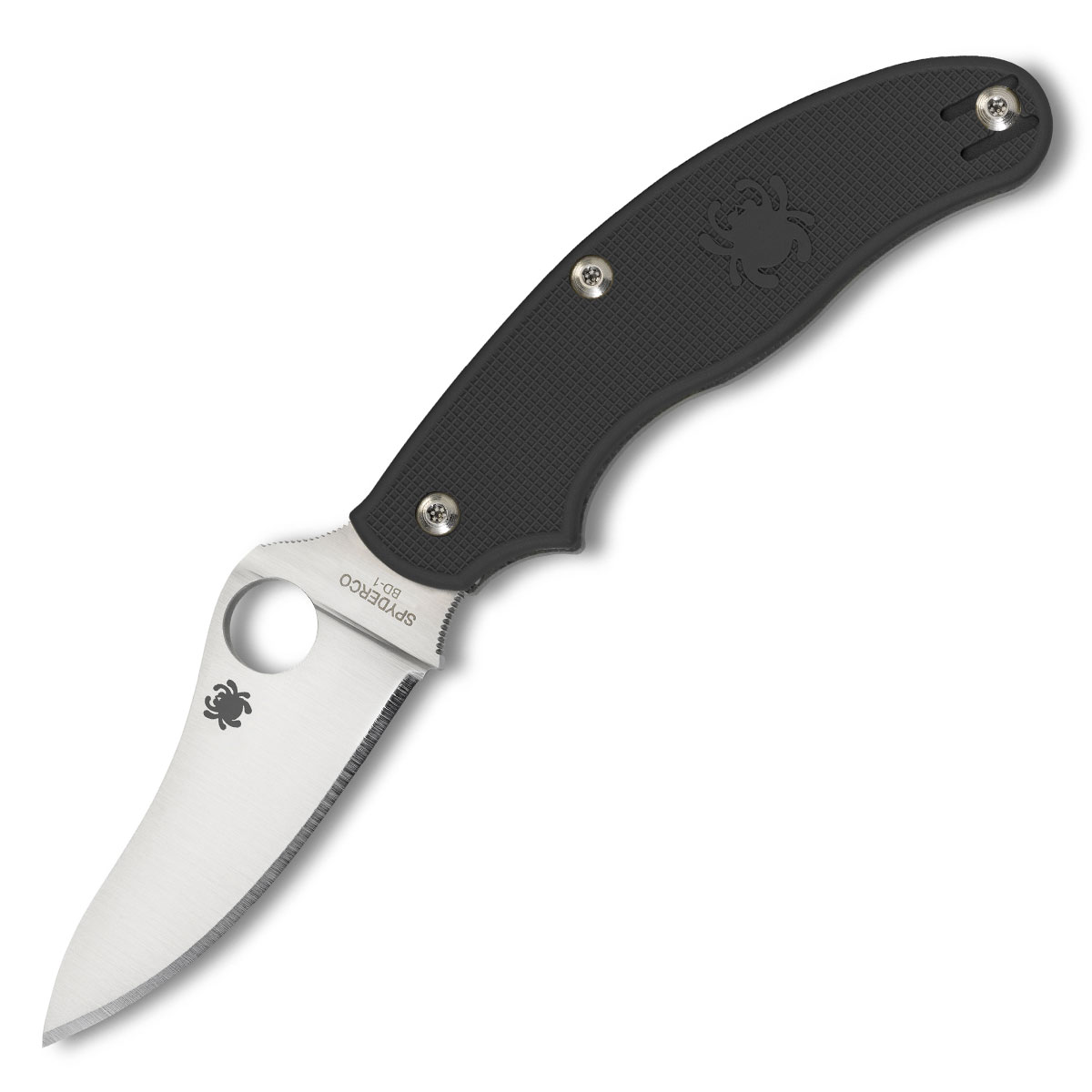
It's no big secret that the laws regarding knives and carrying them in public are much stricter in Europe than in the USA. However, Spyderco was one of the first major manufacturers to take on this problem and create a kind of European classic in its own range with the UKPK (UK Penknife), which even meets the very strict laws in the UK.
Here two important factors come together: although you can open the UKPK - thanks to the Spyderholes - one-handed, but the blade is not locked in the open state, but is held by a powerful back spring (similar to a Swiss Army knife). This allows you to carry the UKPK perfectly legally. Yet despite its small size, lack of a lock, and extremely lightweight construction, the UKPK is a highly functional pocket knife. The thin blade proves to be a real cutting devil in everyday EDC use thanks to the raised flat grind and shows that Spyderco really had a cutting tool in mind here and not a folding crowbar. The Magnacut used in this version is extremely corrosion resistant and can therefore be used even under the most unfavorable conditions.
The bright yellow FRN (Fiber Reinforced Nylon) handle scales, which you might no from other salt series knives, do not require steel plates underneath and ensure a construction that is as light as it is strong. At just 48 grams, the UKPK is hardly bulky in your pocket. The deep-carry pocket clip can be mounted on the left or right side, which makes the knife interesting for left-handers as well.
All in all, you get with the UKPK a really highly suitable EDC pocket knife which not only complies with local legislation, but also proves to be a loyal companion.
| Blade length: | 7,4 |
|---|---|
| Blade material: | CPM Magnacut, rust-resistant |
| Blade thickness: | 2,5 |
| Handle Material: | Plastic |
| Knife type: | Classic pocket knives |
| Lefthand suitable: | Yes |
| Legal to carry in Germany: | Yes |
| Locking Mechanism: | Without locking |
| Opening: | Thumb Hole |
| Overall Length: | 17,5 |
| Weight: | 48 |
Risk of cuts: The most common hazard when using knives is the risk of cuts. Sharp blades can easily penetrate skin and tissue.
Blade slippage: Improper handling or applying excessive force may cause the knife to slip, leading to uncontrolled movements and potential injury.
Injuries from falling knives: Knives should never be left unsecured or placed near the edge of tables or work surfaces, as they may fall and cause injury.
Dull blades: Dull knives pose a higher risk of injury, as they require more force and are more likely to slip. Knives should therefore be sharpened regularly and properly.
Improper use: Using a knife for purposes other than its intended use (e.g. as a prying tool) can damage the blade and may result in accidents.